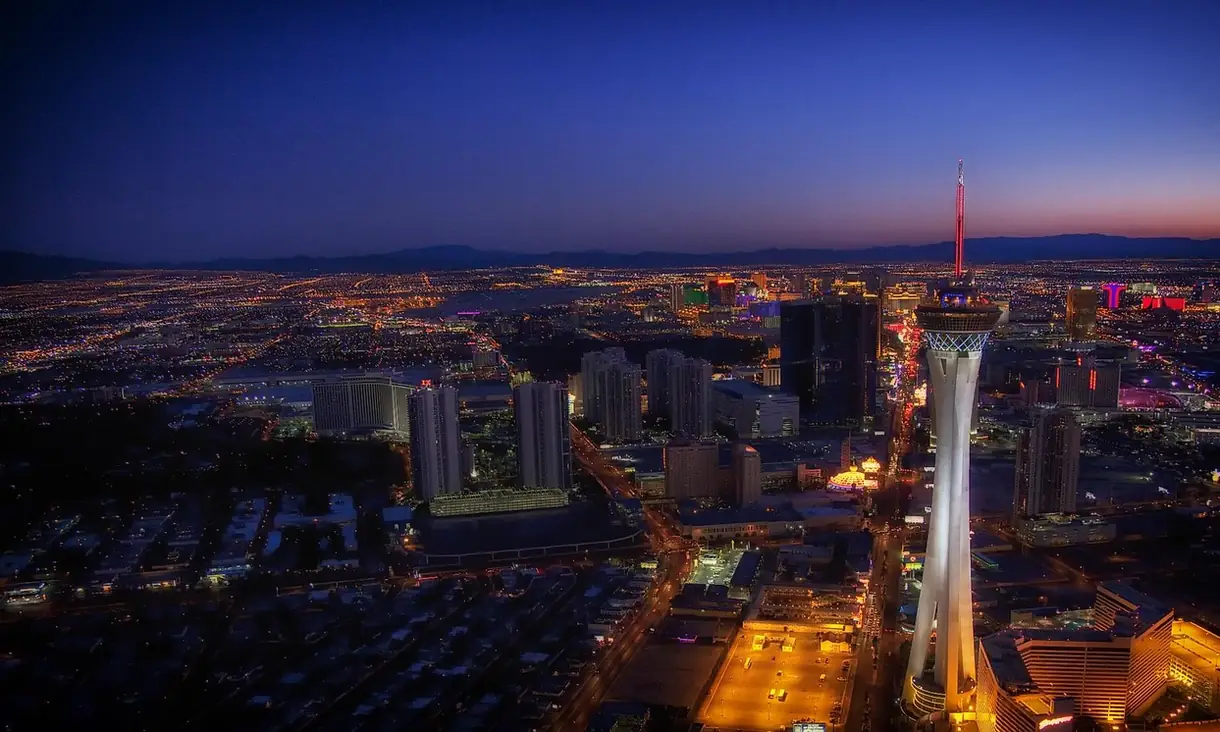
Today’s casino resort is less a single gambling hall and more a walkable district of restaurants, theaters, shops, event spaces and hotel towers built around a regulated gaming floor. The shift is deliberate: operators want visitors who may never place a bet to still spend a full day or a weekend on property.
The result is a more diverse customer base, a more complex real estate product and a different set of questions for local officials, investors and guests. Gaming has not left the picture—it has become one anchor among several.
From gaming box to mixed-use destination
For decades, the default American casino resort was organized around a single idea: keep players on the gaming floor as long as possible. The casino was often the largest interior space, with limited natural light, few clocks and direct pathways through rows of slot machines and table games. Hotel rooms, coffee shops and buffets were mostly support services for gamblers.
That inward-facing design made sense under older business models, when gaming revenue dominated nearly every decision. Regulators, too, focused heavily on gaming integrity, tax collection and the prevention of criminal influence, rather than on the guest experience beyond the floor.
Today, the physical footprint has flipped outward. Lobbies open onto restaurant promenades, outdoor plazas, concert halls and retail corridors. The casino remains a licensed, regulated space, but it is no longer the only gravitational center.
The construction of these mixed-use properties is more like building a small neighborhood than a single venue. What it takes to build a modern casino resort includes phasing public spaces, parking and back-of-house systems around a much wider set of revenue streams.
Why the resort footprint is changing
Several pressures pushed operators away from the pure gambling box. Competition increased as more states authorized casinos, so a property could no longer rely on being the only legal option in a region. Changing demographics also meant younger visitors often wanted social experiences, dining and live events as much as, or more than, a slot machine.
Real estate economics played a role as well. Large casino resorts are expensive to build and operate, so developers look for multiple revenue streams to support debt and maintenance. A hotel tower, convention center, theater or retail promenade can generate income even when the casino floor is quiet.
Sports betting added another piece after the Supreme Court struck down the federal ban in Murphy v. NCAA in 2018. States gained the authority to legalize sports betting, and many resorts incorporated sportsbooks or sports-themed venues into the broader entertainment mix.
Operators also followed a broader playbook of diversifying the casino guest experience, from curated dining to convention sales. Technology supports the transition by connecting hotel booking, event ticketing, loyalty programs and security across one property, a topic covered in our reporting on data security and the future of casino operations.
What an entertainment district typically includes
There is no single template, but a modern casino resort often combines several of the following elements around a central gaming area:
- Full-service restaurants and food halls
- Concert theaters, showrooms and nightclubs
- Retail promenades and specialty shops
- Convention, meeting and event space
- Spas, pools, fitness centers and outdoor recreation
- Sportsbooks or sports-themed venues where legal
- Hotels with a range of room types for business and leisure guests
Not every property includes all of these. The mix depends on market size, local demand, available land, and the specific licenses or compacts that apply. A smaller regional casino may add a few restaurants and a concert lounge, while a major destination resort may operate an arena, a theater district and multiple hotel towers.
The common thread is that these elements are designed to be used independently of the casino. A visitor can attend a concert, have dinner and stay overnight without ever entering the gaming area. That separation broadens the customer base and can create a more stable year-round business.
The design of the casino floor itself is changing too. Open sightlines, ceiling height and adjacent social spaces can make the gaming area feel like one part of a larger resort rather than a separate maze, a trend explored in our look at the next generation of casino gaming floors.
How regulation shapes the resort footprint
The United States does not issue a federal casino license. Commercial casino gaming is legalized and regulated state by state, and each state decides what types of non-gaming amenities may be attached to a gaming license. Some states require a minimum investment in hotel rooms, restaurants or convention space as a condition of licensure, while others leave the mix to operators.
Tribal gaming operates under a separate federal framework established by the Indian Gaming Regulatory Act of 1988. Class III casino-style gaming generally requires a tribal-state compact approved by the Secretary of the Interior. The National Indian Gaming Commission is the federal regulator for tribal gaming, but the compact and state law can affect how a tribal resort may expand into hotels, entertainment or retail.
Those legal layers mean the same resort concept can look very different across state lines. A detailed overview of these differences is available in our guide to how U.S. casino regulation shapes the industry. Zoning and land-use decisions also matter, since a resort that wants to host large outdoor events, build tall hotel towers or run late-night entertainment may need additional local approvals even after the gaming license is secured.
Comparing two generations of casino resorts
The table below describes broad patterns, not universal rules. Individual properties vary widely, and many older resorts have added modern elements over time.
| Dimension | Traditional gaming-centric resort | Entertainment-district resort |
|---|---|---|
| Primary draw | Casino floor | Dining, shows, retail, events, casino |
| Design focus | Inward-facing, limited natural light, direct routes to gaming | Open plazas, outdoor spaces, multiple distinct venues |
| Guest mix | Mostly gamblers | Couples, families, business travelers, non-gamblers |
| Time on property | Concentrated at tables and slots | Spread across venues, longer stays |
| Revenue profile | Gaming-dominant | Diversified, with significant non-gaming revenue |
| Regulatory focus | Gaming integrity and tax collection | Gaming plus hotel, food safety, entertainment and security |
These differences help explain why local officials and investors now ask more questions about parking ratios, event calendars and restaurant capacity, not just slot counts and table-game hold.
Responsible gambling in a broader audience environment
When a resort attracts guests who do not gamble, responsible gambling becomes a design question as well as a compliance question. Clear separation between gaming areas and family-oriented spaces, visible signage about age restrictions, and easy access to self-exclusion programs can reduce confusion and risk.
Some jurisdictions require problem-gambling language in advertising and on property, while others require employee training to recognize signs of harm. Because the rules are not uniform, guests should not assume that every resort in every state offers the same protections.
The National Council on Problem Gambling and the 1-800-GAMBLER helpline are national resources for anyone who needs support. In a mixed-use environment, operators and guests both benefit when responsible gambling information is as accessible as restaurant hours or show schedules.
What to look for when reading a casino resort plan
The next time you see a proposal for a casino resort, look beyond the square footage of the casino floor. Ask whether the plan includes multiple reasons to visit, how public and private spaces are separated, and what responsible gambling measures are built into the design.
For local officials, the mixed-use model can mean more jobs and tax revenue outside gaming, but it also raises new questions about traffic, noise and public safety. For guests, the benefit is a fuller day of options; the responsibility is to know the local rules and your own limits.
Because rules vary by state and by tribal compact, the right answer depends on local law and community needs. But the broad direction is clear: the American casino resort has shifted from a gaming room surrounded by support services to an entertainment district with a casino inside it.