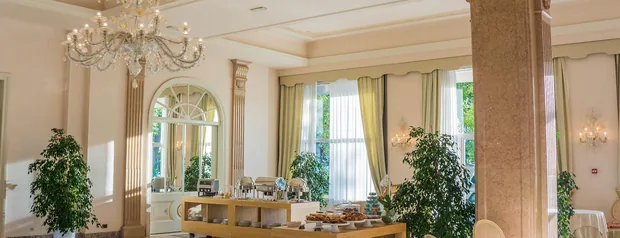
American casino resorts are no longer defined only by their gaming floors. Many properties now build their identity around restaurants, concert venues, shopping, spas, and meeting spaces, aiming to attract guests who may never place a bet.
A non-gaming amenity is any revenue-producing or experience-enhancing feature that is not directly tied to slot machines, table games, or sports wagering. Because casino gaming is legalized and regulated state by state, the mix of permitted amenities and the rules that govern them can vary. The changing shape of the American casino resort reflects this broader shift.
Why resorts are diversifying beyond the casino floor
Historically, many casino properties relied on gaming revenue as their primary economic engine. Over time, competition from other casinos, changing travel habits, and the growth of legal sports betting after the Supreme Court struck down PASPA in 2018 pushed operators to create more reasons for people to visit. An integrated resort is a property that combines a casino with substantial non-gaming attractions such as hotels, restaurants, entertainment venues, retail, and meeting space.
Non-gaming attractions can lengthen stays, increase per-visitor spending, and draw conferences, families, and local residents who might not otherwise consider a casino property. For operators, the logic is straightforward: a guest who comes for a concert or dinner may also spend on parking, shopping, or a hotel room, even if they never enter the gaming floor. This does not mean gaming is shrinking everywhere; rather, the floor becomes one part of a larger hospitality offering.
Common reasons operators invest in non-gaming amenities include:
- Attracting guests who do not gamble
- Lengthening the average length of stay
- Smoothing out seasonal or weekday demand
- Increasing revenue per visitor
- Building stronger community relationships
Feasibility depends on local demand, available land, and the terms of a state gaming license or tribal-state compact. A large casino in a tourist corridor may build a theater first, while a smaller property in a suburban market may focus on high-quality dining and a modest event space.
Dining as a destination
Dining is one of the most visible non-gaming expansions at modern casino resorts. Properties may include food halls, fast-casual counters, steakhouses, sushi bars, and fine-dining concepts led by well-known chefs. These venues give local residents a reason to visit without sitting at a gaming machine.
Because restaurants can operate independently of the casino floor, they often appeal to business travelers and families. In some states, food and beverage operations require separate health permits, liquor licenses, and fire safety approvals, in addition to any casino-specific rules. Building these spaces involves distinct kitchen, ventilation, and front-of-house design needs, which is part of what it takes to build a modern casino resort.
How dining venues support the broader resort
A strong dining program can turn a casino property into a regular dinner destination for nearby residents. Restaurants with separate street entrances and clearly marked paths can operate even when the gaming floor is closed or restricted. They also provide overflow space during big events, helping the resort serve more guests at once.
Live entertainment and event spaces
Theaters, arenas, lounges, and outdoor amphitheaters host concerts, comedy shows, boxing, and other live events. These venues give resorts another reason to attract visitors on weekdays or during off-peak travel periods. Ticket revenue and event-related food and beverage sales add to a property's income without relying on wagering.
Entertainment venues generally do not require a gaming license, but they may be subject to local permitting, safety codes, alcohol service rules, and age restrictions. A resort's gaming license often comes with conditions about how entertainment is marketed and whether minors are allowed in certain areas. State rules about advertising, access, and security are part of how US casino regulation shapes the industry.
Why age and access rules matter
Many gaming floors require guests to be 21 or older, but theaters and restaurants may allow minors when they are physically separated from gambling areas. The exact rules vary by state and by property, so families should check in advance. Some resorts use separate entrances, ticket scanners, and wristbands to keep non-gaming areas accessible to a wider audience.
Retail, wellness, and lifestyle amenities
Retail can range from luxury boutiques and jewelry stores to convenience shops and branded merchandise. Wellness includes spas, fitness centers, pools, and salons. These amenities give non-gambling guests a reason to spend several hours on property and can turn a casino resort into a broader leisure destination.
Family entertainment such as arcades, bowling alleys, or movie theaters may appear at some properties, though age restrictions often depend on state law and the physical separation from gaming areas. Wellness and retail spaces usually operate under standard commercial regulations rather than casino-specific licensing, but their placement within a casino resort can affect security, marketing, and access rules.
Meetings, conventions, and group business
Meeting rooms, ballrooms, and convention centers can fill hotel rooms and restaurants during midweek periods when leisure travel is lower. Convention groups often include attendees who do not gamble, making non-gaming amenities a key part of the sales pitch.
Many casino resorts have invested in dedicated conference wings with separate entrances, which can help them host corporate and association events without requiring attendees to walk through the casino floor. These spaces may be regulated by local building codes and fire safety standards, and sometimes by state gaming authorities if they are connected to the licensed gaming area.
Group business tends to be booked far in advance, which gives operators a more predictable base of room nights and food and beverage revenue. It also exposes a wide range of professionals to the resort brand, potentially creating future leisure guests.
How non-gaming amenities are regulated
Because there is no federal casino license, each state sets its own rules for casino operators. Tribal gaming is governed separately by the Indian Gaming Regulatory Act (IGRA) of 1988, which created three classes of gaming and requires Class III tribal gaming to be conducted under a tribal-state compact approved by the Secretary of the Interior. The National Indian Gaming Commission is the federal regulator for tribal gaming, and its website explains how IGRA applies to tribal operations.
Non-gaming amenities are usually not classified as Class I, II, or III gaming under federal law, but their operation can still be influenced by the terms of a compact, a state gaming license, or local ordinances. For example, a compact or state law may address alcohol service, hotel development, or the number of non-gaming facilities a licensee may operate. The American Gaming Association provides industry principles for responsible marketing and operations, including non-gaming amenities. More detail on the legal framework for casinos and non-gaming spaces is available in understanding casino legislation.
| Category | Common examples | Typical non-gaming regulatory considerations | Guest appeal |
|---|---|---|---|
| Dining | Food halls, fine dining, bars | Health permits, liquor licenses, fire codes | Local residents, diners, business travelers |
| Entertainment | Theaters, arenas, lounges | Permits, safety codes, alcohol service, age rules | Concertgoers, event attendees, groups |
| Retail | Boutiques, gift shops, convenience | Commercial leases, sales tax, local business licenses | Shoppers, tourists, hotel guests |
| Wellness | Spas, pools, fitness centers | Health and safety inspections, occupancy rules | Leisure travelers, spa visitors |
| Meetings | Ballrooms, conference centers | Building codes, occupancy limits, security plans | Corporate groups, associations |
What the non-gaming shift means for guests and communities
Non-gaming amenities can support responsible gambling by giving visitors other things to do, but they do not eliminate gambling-related risks. Many states require casinos to post problem-gambling resources, train staff to recognize signs of gambling problems, and offer self-exclusion programs that let people voluntarily ban themselves from gaming floors.
Adding restaurants, shows, and shops does not change the reality that some guests may experience gambling problems. Responsible gambling practices remain important even as resorts broaden their appeal. The National Council on Problem Gambling operates ncpgambling.org and promotes the 1-800-GAMBLER helpline.
For guests, the trend means more reasons to visit a casino resort and more ways to enjoy a stay without gambling. However, age and access rules vary by state and property, so a family-friendly restaurant may be next to an area that requires guests to be 21 or older. It is worth checking a property's layout and policies before visiting.
For communities, non-gaming development can create jobs in hotels, restaurants, entertainment, and retail. Local effects depend on the size of the project, the existing market, and how the resort connects with nearby businesses. The broader shift toward integrated resorts is likely to continue as operators look for ways to appeal to a wider audience while maintaining strong responsible gambling protections.