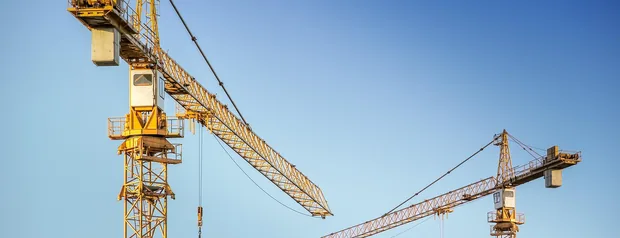
Building a modern casino resort is a multi-year process that begins long before foundations are poured. Developers must secure a site, pass layered state and local reviews, arrange capital, design hotel and entertainment space, and plan for the surrounding community.
The result is rarely just a casino. Today's projects combine a gaming floor with hotel rooms, restaurants, meeting space, arenas or outdoor attractions, and they are shaped as much by regulation and infrastructure as by architecture.
How a casino resort moves from idea to ribbon-cutting
Most resort projects follow a sequence that looks more like a real estate development than a quick build. A developer first studies the market, identifies a site and checks whether local and state law allow casino gaming there.
If gaming is permitted, the next step is often a pre-application meeting with regulators. State gaming boards, local planning departments and, for tribal projects, the tribe and federal agencies may all be involved before a formal application is filed.
Common stages include:
- Site selection and feasibility study
- Land assembly and local zoning approvals
- Environmental, traffic and infrastructure review
- State or tribal gaming license application
- Tribal-state compact approval for Class III tribal gaming
- Design, preconstruction and cost estimating
- Financing commitments and equity arrangements
- Construction and phased opening
- Systems testing and employee licensing
- Community programming and responsible gambling measures
A feasibility study usually estimates demand, room rates, gaming win potential and non-gaming spending. Environmental consultants assess wetlands, traffic, noise and utilities; these reports are often required before local boards will schedule a public hearing.
These stages can overlap, but a project generally cannot start construction until land-use approvals, environmental review and gaming licensing are in place. Delays in any one layer can push a project back by months or years.
Who has to say yes? Layered approvals
Casino gaming is legalized and regulated state by state. There is no federal casino license, so the first question is whether a state authorizes commercial casinos, tribal casinos, racinos, or some combination.
For commercial projects, a developer typically needs a state gaming license, a local land-use permit, and often a separate liquor license and building permit. Background checks on owners, executives and major investors are common.
Suitability reviews often look at criminal history, financial stability, source of funds and business associations. Regulators may require disclosures from relatives, business partners and lenders, not just the named applicant.
For tribal projects, the Indian Gaming Regulatory Act of 1988 sets the framework. Class III casino-style gaming generally requires a compact between the tribe and the state, which must be approved by the Secretary of the Interior.
The National Indian Gaming Commission (NIGC) is the federal regulator for tribal gaming. It oversees compliance and reviews ordinances for Class II and Class III operations.
Local governments also play a role even when state law allows gaming. Zoning changes, road access, water and sewer capacity, and public safety plans are usually negotiated before construction.
Three common development pathways
| Pathway | Typical lead regulator | Key approval step | Federal role |
|---|---|---|---|
| Commercial casino | State gaming commission or control board | State license plus local land-use permit | Generally limited; federal payment and wire rules may apply |
| Tribal casino | National Indian Gaming Commission and tribe | Tribal-state compact for Class III gaming | Secretary of the Interior reviews compact; NIGC oversees |
| Racino | State racing and gaming regulators | State license tied to an existing racetrack | Similar to commercial; payment and interstate rules may apply |
Capital, partners and the long payback
Resort development is capital-intensive. A project may be financed through a combination of developer equity, bank debt, institutional investment and, in some cases, real estate investment structures that separate property ownership from casino operations.
Publicly traded casino operators, private equity funds and tribal economic development entities can all act as developers. Some projects use a sale-leaseback structure in which a real estate trust owns the building and leases it back to the operating company.
Because payback periods can be long, developers often phase construction: a casino floor and parking garage may open first, followed by a hotel tower, convention space or entertainment venue. This helps generate revenue while later phases are built.
Lenders and investors usually require a clear regulatory path before committing funds. A state gaming license, a signed tribal-state compact, or an approved master plan can be a condition of financing.
No two deals are alike. Some projects rely heavily on local tax incentives or public infrastructure support, while others are fully privately financed. What matters is whether the market can support the new rooms, seats and square footage over many years.
The American Gaming Association (AGA) publishes state-by-state summaries and industry research that can help readers understand the legal gaming landscape.
Designing for more than the gaming floor
Modern resorts are planned around non-gaming revenue. Hotels, restaurants, pools, spas, theaters and convention space are not afterthoughts; they determine how many visitors a property can attract and how long they stay.
A hotel tower may be designed before the gaming floor is finalized because room count, suite mix and conference space affect financing and staffing. Restaurants and bars are also selected for price points that match the local market.
Architects and interior designers work with casino operators to balance the gaming floor with daylight, wayfinding and guest comfort. The design often changes as market studies show which amenities are likely to draw customers on weekdays, weekends and off-peak seasons.
This shift is visible across the industry. The shape of American casino resorts is changing as developers add more non-gaming square footage and outdoor space. Meanwhile, next-generation gaming floors are being designed for flexible layouts and digital integration.
Casino regulators may also weigh in on floor layout, surveillance sight lines and responsible gambling features. A gaming floor cannot simply be dropped into a hotel; it must meet security and internal control standards before opening.
Community agreements and local infrastructure
Because a resort can change traffic patterns, housing demand and public services, developers often negotiate community benefit agreements, host community compensation, or similar commitments with local governments.
Traffic studies may show the need for new turn lanes, traffic signals or transit stops. In some cases the developer funds part of a road widening or a new water main, which can become a public benefit and a condition of approval.
Roads, water, sewer, police and fire protection may need upgrades. The developer may be required to pay for some improvements or build them directly. These obligations can be as important to a project's timeline as the gaming license.
Jobs are a central part of the public conversation. A resort typically creates construction jobs first, then permanent positions in hotel operations, food and beverage, security, maintenance and gaming. Local hiring agreements and workforce training programs are common.
Responsible gambling is also part of a modern opening plan. Operators are generally expected to provide employee training, self-exclusion information and support resources such as the National Council on Problem Gambling at ncpgambling.org or 1-800-GAMBLER.
Construction, systems and pre-opening testing
Construction is typically phased to manage cash flow and risk. Site work, utilities and the gaming floor may come first, with a hotel tower or entertainment venue following. Each phase must pass building inspections and, often, separate gaming and hospitality system tests.
Construction teams often include a general contractor, specialty gaming vendors, surveillance installers and hotel interior contractors. Building inspectors review structural, electrical, plumbing and fire safety work at multiple milestones, not just at the end.
Casino systems include slot accounting, table game tracking, surveillance, identity verification, payment processing and cybersecurity controls. These systems must be tested by the operator, and in some states by an independent laboratory, before the gaming floor can open.
Data security is now a design issue, not just an IT issue. Data security and casino operations are planned together because a breach can affect guests, payments and regulatory compliance.
Employees also need licenses or work permits in many jurisdictions. Key staff such as managers, cashiers, surveillance operators and security personnel may need to pass a background check before they can work on the floor.
Why the blueprint varies by state and tribe
There is no single American casino blueprint. Nevada, New Jersey, Pennsylvania, Michigan and many other states have different tax structures, license categories, technology standards and local control provisions.
For example, some states cap the number of resort licenses, while others allow local voters to decide whether a casino can be located in a county or city. Tax rates on gaming revenue also vary enough to change a project's economics.
Some states allow casinos only in specific cities or regions, while others permit them statewide at qualifying sites. Online casino gaming remains legal only in a minority of states, and its availability does not necessarily follow from a brick-and-mortar license.
Tribal gaming adds another layer. Under IGRA, Class II and Class III gaming are treated differently, and compacts may include revenue-sharing, regulatory fees, or limitations on the number of machines or locations.
For a developer, the first task is often to understand the specific state and local landscape. How casino regulation shapes the industry matters before any land is purchased or architectural renderings are made.
What to watch when a project is announced
When a casino resort proposal appears in the news, the first question should not be what the building will look like, but whether the legal and financial path is real. A signed compact, a state license, zoning approval and committed financing are usually more meaningful than a rendering.
Watch for community process milestones such as public hearings, environmental findings and infrastructure agreements. These often signal whether a project is moving from concept to construction.
Also watch the non-gaming plan. Hotels, meeting space and entertainment are not extras; they are usually the part of the development that must support the investment over the long term. Diversifying the casino guest experience is central to modern resort economics.
A responsible approach also means asking how a project will address problem gambling, local hiring and public safety. Those commitments are part of what it takes to build a modern casino resort from the ground up.